

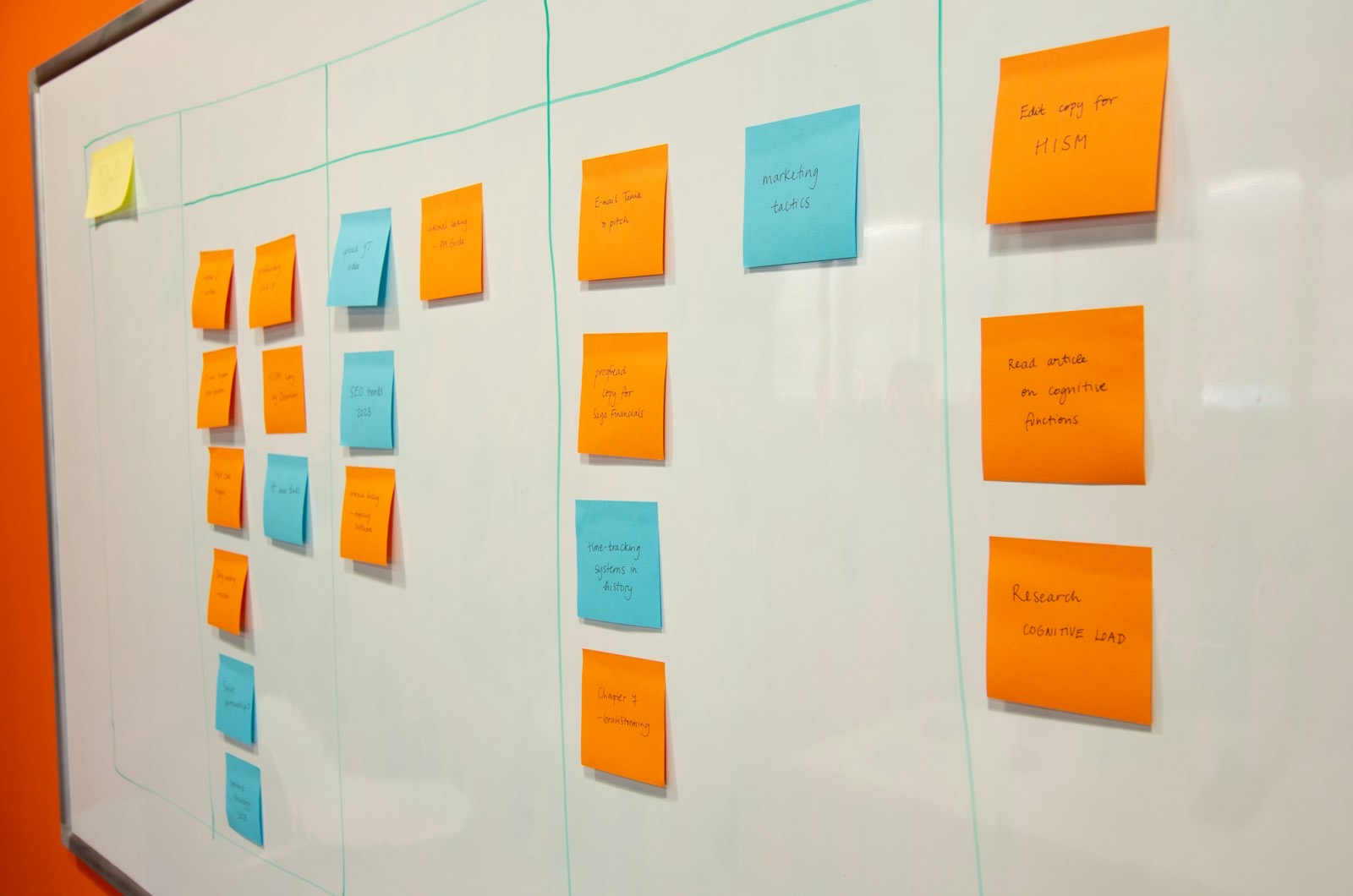
AI consulting for companies is most useful when the organization already sees potential in AI, but still needs structure before implementation starts.
That is a common stage. Teams have multiple ideas, different stakeholders want different outcomes, and it is not yet clear which use case should come first.
The role of AI consulting is not to produce a vague strategy deck. It is to help the company make practical decisions about what to build, what to automate, and what should wait.
What AI consulting should solve
A good consulting process should answer a small set of business-critical questions:
- which workflow should be addressed first
- where AI can create measurable value
- what systems and data are needed
- what risks or constraints matter early
- what a realistic first phase looks like
Without those answers, companies often move too quickly into tools, pilots, or broad transformation plans that do not have a clear owner.
Why companies struggle to prioritize AI use cases
Most organizations do not have too few AI ideas. They have too many.
Typical examples include:
- internal knowledge assistants
- AI agents for sales or operations
- document analysis
- workflow automation across CRM, ERP, and support tools
- reporting or decision support layers
All of these can be valid. The problem is that they differ in implementation complexity, data readiness, stakeholder alignment, and business impact.
This is why discovery and prioritization matter before delivery starts.
What a practical AI discovery process looks like
The best discovery work is specific and operational. It should focus on real workflows rather than abstract innovation goals.
1. Understand the current process
Start by mapping how work happens today:
- what triggers the workflow
- which people and teams are involved
- what systems are used
- where delays or manual effort appear
- where decisions rely on internal knowledge
This is often the point where the best first AI opportunity becomes much clearer.
2. Identify candidate use cases
Not every friction point needs AI. Some problems are really process or ownership issues.
The right AI use case usually involves one or more of the following:
- repetitive manual effort
- information gathering across multiple systems
- document-heavy work
- task routing or classification
- knowledge access bottlenecks
3. Evaluate value, feasibility, and risk
This is the step many teams skip.
An attractive use case should not only sound useful. It should also be practical to implement. Good evaluation criteria include:
- expected business impact
- implementation complexity
- data availability
- integration effort
- operational risk
- ability to measure success
4. Define the first implementation scope
A first project should be narrow enough to launch, learn from, and improve.
That usually means one workflow, one main user group, one measurable outcome, and a clear review model.
5. Build the roadmap after the first scope is clear
The roadmap should not be a long list of AI ideas. It should show:
- the first implementation phase
- dependencies and required integrations
- what comes next only if phase one works
- ownership and decision points
That is what makes it a real roadmap instead of a wish list.
How to choose the best first AI use case
The strongest first AI projects tend to share the same characteristics:
- the workflow happens frequently
- manual effort is currently high
- inputs and outputs are understandable
- the process touches systems the company already uses
- business value can be measured
For many companies, this leads toward one of three categories:
AI agents
Useful when the workflow requires context gathering, evaluation, and next-step support.
See also our page on AI agents.
RAG and internal knowledge access
Useful when employees lose time searching procedures, documents, and internal information.
See also our page on RAG systems.
Workflow automation
Useful when the process is repetitive, cross-functional, and slowed down by handoffs between systems or teams.
See also our page on AI business process automation.
What a useful AI roadmap includes
A roadmap should be practical enough to guide implementation and clear enough for business stakeholders to trust it.
In most cases, it should include:
- the first prioritized use case
- goals and success metrics
- systems, data, and integration requirements
- human review and approval points
- key delivery risks
- the next possible phases after launch
If these are missing, the company usually has an idea list, not a decision-ready plan.
Common mistakes in AI consulting and planning
- starting with tool selection instead of workflow analysis
- trying to prioritize without operational stakeholders
- choosing interesting use cases that are hard to measure
- treating all AI ideas as equally urgent
- building a roadmap before defining the first implementation scope
FAQ
When should a company start with AI consulting instead of direct implementation?
AI consulting is useful when there are multiple possible directions and the company needs to decide what to implement first with clear business logic.
What should a workshop or discovery phase produce?
It should produce a prioritized use case, an initial implementation scope, key constraints, and a roadmap for the next steps.
Is AI consulting only for large companies?
No. It is often just as useful for mid-sized companies that want to avoid spending time and budget on the wrong first project.
How long should the roadmap be?
Long enough to guide decisions, but short enough to stay tied to real execution. In most cases, the roadmap should begin with a clearly scoped first phase, not an enterprise-wide vision.
If your team needs help turning AI ideas into a focused first implementation, explore our pages on AI consulting and workflow discovery, AI roadmap development, AI agents, and RAG systems, or contact us.